Maintaining Roadway Inlets: What Municipalities Need to Know
Morgans Welding
Roadway inlets are designed for durability but do require some maintenance every year. Learn more about how to maintain your city’s inlets.
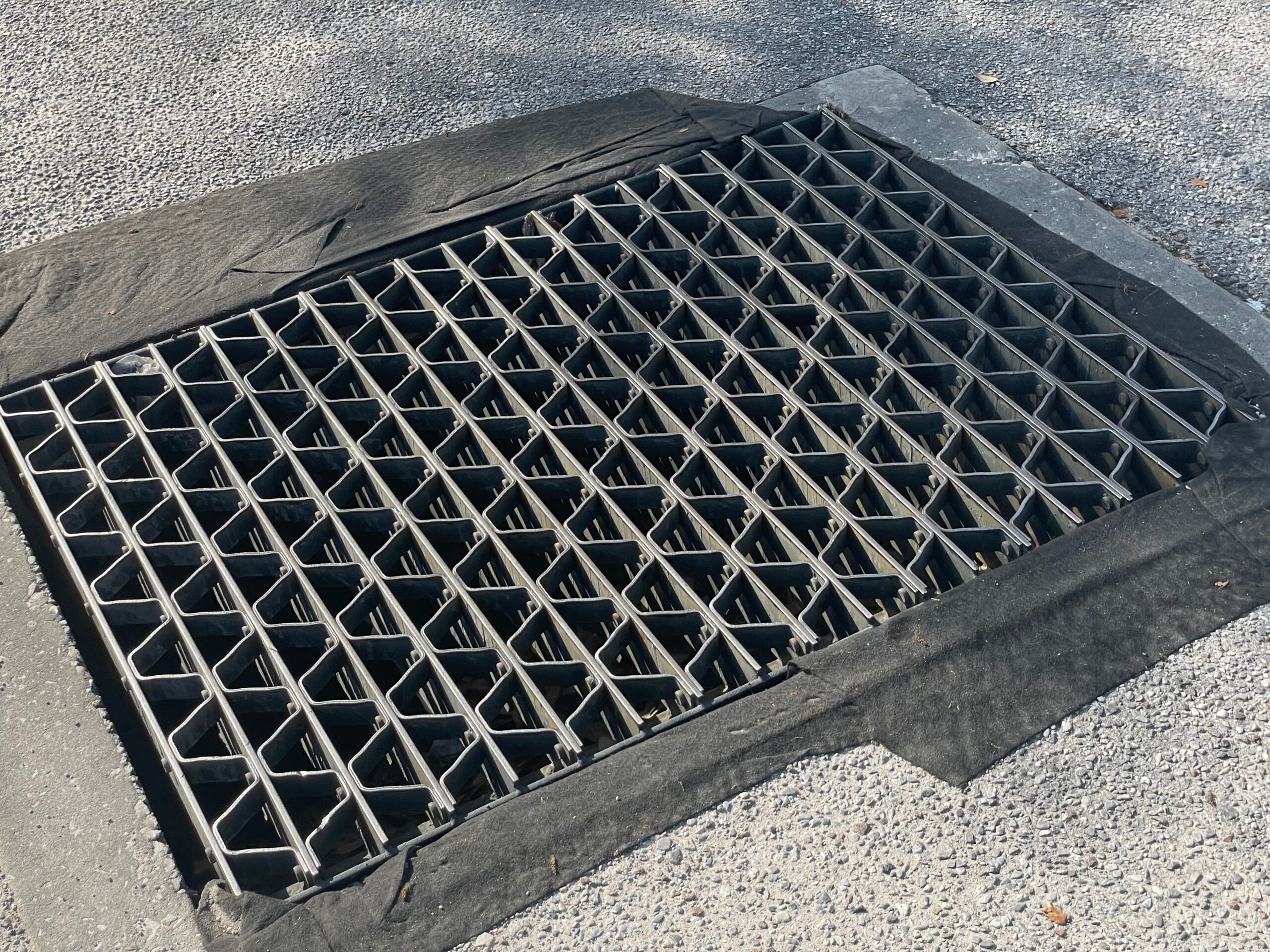

Roadway inlets are designed for durability but do require some maintenance every year. Learn more about how to maintain your city’s inlets.
It’s critical to inspect and maintain your city’s roadway inlets at least once per year to prevent flooding, maintain acceptable water quality levels, and protect vital infrastructure. Although there are plenty of maintenance tasks municipalities must prioritize, the good news is that maintaining roadway inlets is low-cost and easy, yet has a significant impact.
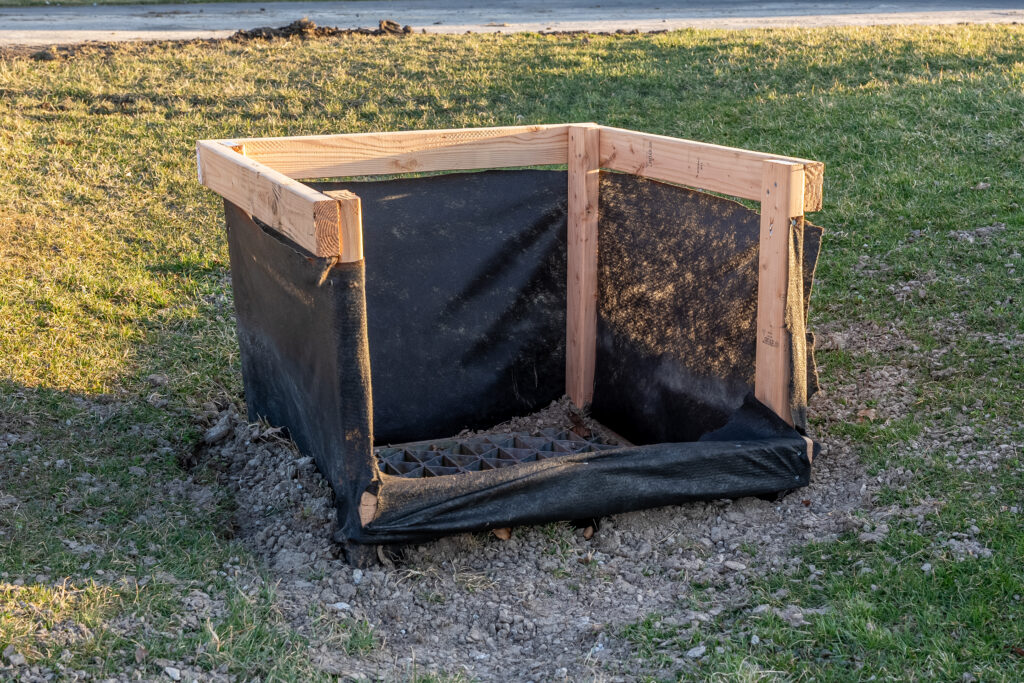
All inlets should have some form of protection over or around them to improve erosion control and stormwater management efforts. Filter fabric and prefabricated inserts are the most commonly used within cities. The inserts, in particular, are great for cities because they’re easy to replace (with minimal disruption) and don’t obstruct traffic. If planning a new roadway, concrete or metal sediment sumps can be built into the inlet itself. It never needs replacement, just vacuumed out.
Never, never, never use hay or straw. This approach was used for decades, but these materials degrade quickly, are inappropriate for areas that frequently experience heavy rainfall, and end up worsening issues rather than preventing them. Hay can also contain seeds that can be carried by runoff and damage local ecosystems.
Cleaning can be resource-intensive, but it’s essential to prevent clogs. You can remove sediment buildup manually with shovels, with vacuums, or with both. Create a map of inlet locations and identify which inlets need to be inspected and cleaned more often, while lower-priority inlets need only be cleaned once a year.
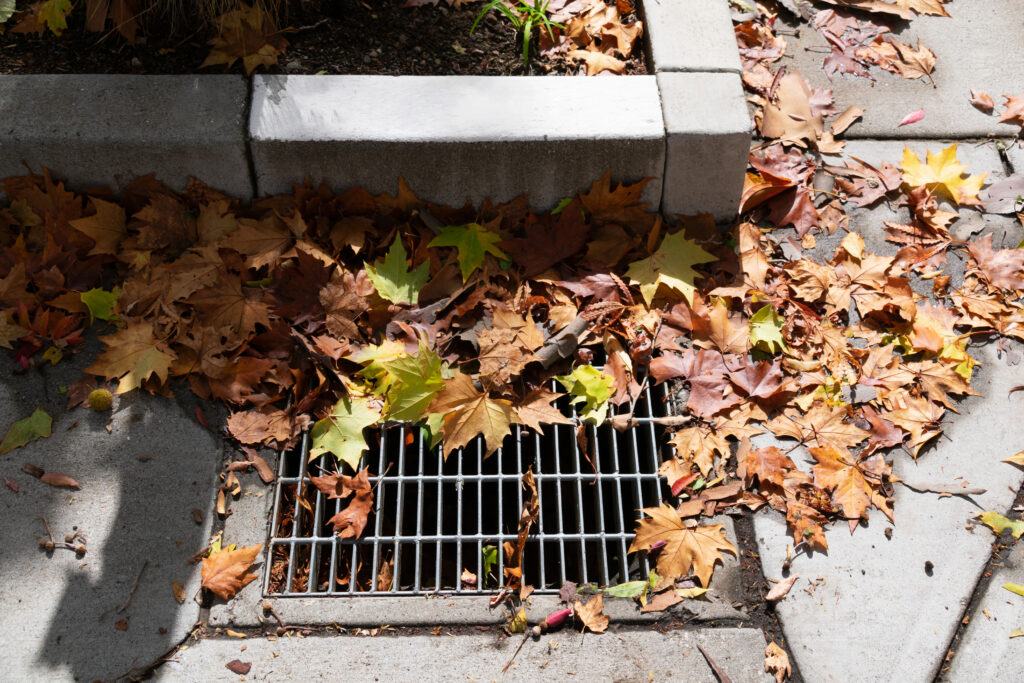
All inlets need to be inspected at least once a year to assess the type of debris present, identify structural damage, and check for anything unusual, such as odors, discoloration, or illegal dumping.
Aim to inspect roadway inlets before the wet season or whenever your city experiences peak demand. It’s also good practice to inspect and clean inlets after a significant storm. If you live in an area that experiences snow, a post-winter sweep can also help remove sand or salt from the inlets.
As mentioned earlier, some inlets may be classified as higher-priority; this could be because:
Generally, your NPDES Municipal Separate Storm Sewer System permit will highlight the required frequency.
Morgan’s Welding specializes in engineering heavy-duty grates, frames, inlet risers, manhole risers, and more for municipalities across the United States. Our solutions are low-maintenance, customized to your application, and designed to last for decades. Contact us today to learn more about our products, or visit our website for more resources.